Friday, October 19, 2018

Stefani Joanne Angelina Germanotta & the Lady Gaga persona


Lady Gaga's Changing Image

Related image


Gaga's image became quite extreme very quickly. Many articles state how she used Lady Gaga as a coping mechanism for her depression. However, there have been contradicting articles that state she used this persona to increase sales. I personally believe that she used this image as a coping mechanism in the beginning of her career but then realised the hype the persona gave her and how it was affecting the sales of music.
Gaga started to wear outrageous outfits to attract attention. An example is the dress made out of meat that she wore at the 2010 MTV Music Awards:


Richard Dyer's theory states that celebrities are made up different materials for marketing and financial purposes. He believes that celebrities create a different image of their true self so that they come across as normal people so a larger audience can relate to them.


Pop stars such as Lady Gaga are able to show their star persona's on social media. Social media allows the person to create a following and promote a specific ideology that they want to be seen as.Lady Gaga first became popular in 2008 when her single 'Just Dance' was released. The video for this did not suggest that such an extreme star persona was going to be created from this singer but her next popular singles 'Paparazzi' and 'Poker Face' began to show the image she was creating. From the videos following 'Just Dance' it was clear that Lady Gaga was trying to create a 'gaga' image of herself to make her more aesthetically appealing and make her stand out from the crowd.

Image result for lady gaga just dance Image result for lady gaga poker face cover Image result for lady gaga paparazzi

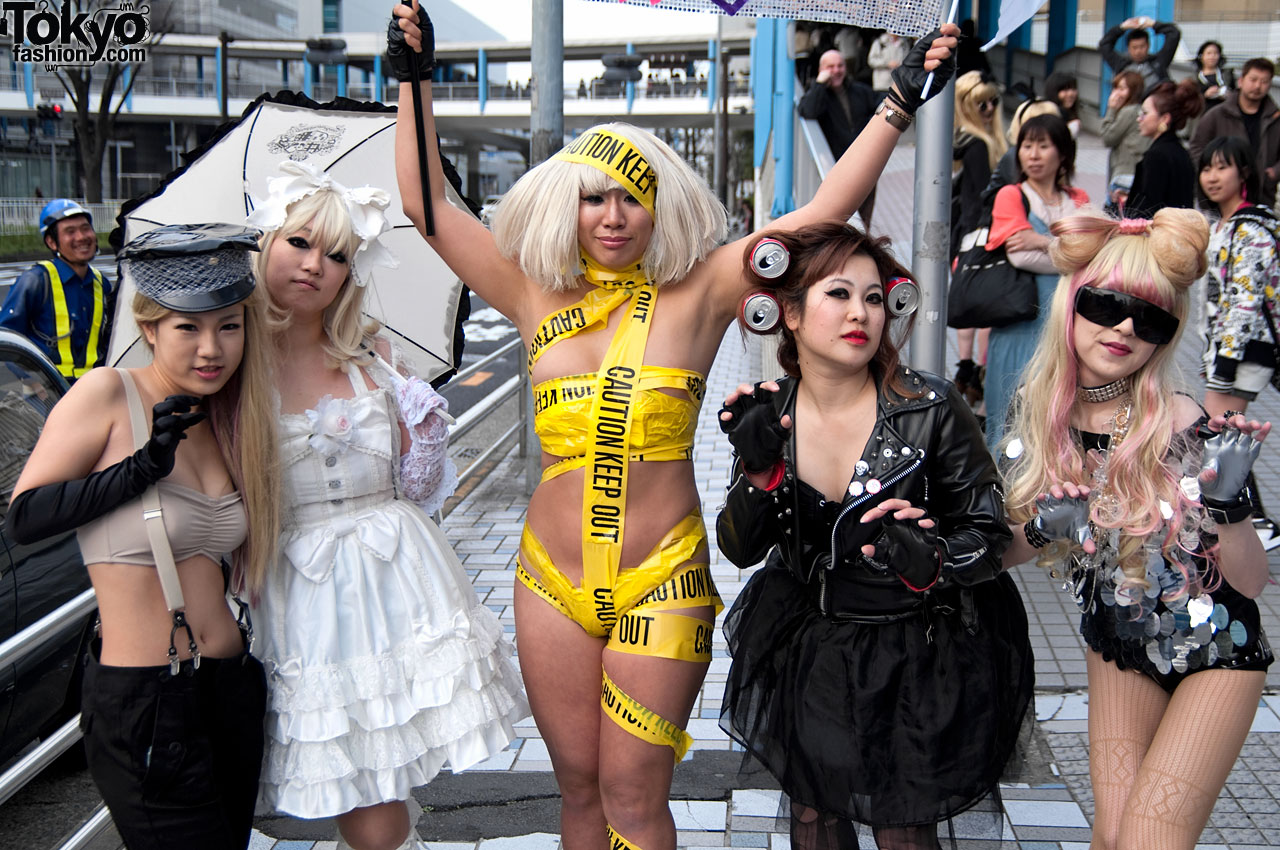
As Lady Gaga has changed her appearance and persona, her audience have changed too. From the beginning, her audience was the generic pop audience demographic but this has slightly shifted over time. Even though the genre of her music has remained the same, her persona has meant that more of a individual audience are now interested in her music too. Her unique style attracts more of a unique audience. As her persona continues to change so will her audience. She is also able to be a leader to her fans, called the 'Little Monsters'.

Related image


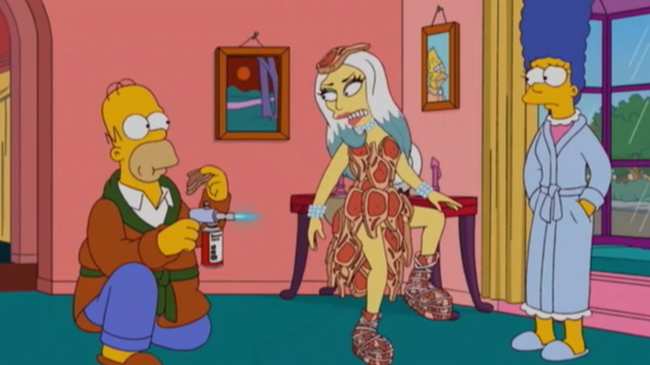
Every actor has a first notable on-screen appearance, and for Stefani Germanotta, that was the meaty role of “Girl at Swimming Pool #2,” featured in “The Sopranos” and “The Telltale Moozadell”. The 15-year-old future Mother Monster doesn’t even get a full line of dialogue in the scene, and it’s hardly an indicator of what was to come for one of the world’s biggest pop stars. IMDb credits her with nearly 40 appearances as an actor, but the majority of these are tied to her music career and Gaga persona, including cameos in “Muppets Most Wanted” and “The Simpsons.” Which is understandable when you’re a performer releasing studio albums and touring constantly, but also a bit odd, given that she’s on the verge of becoming an Oscar-nominated actress for “A Star is Born.” 
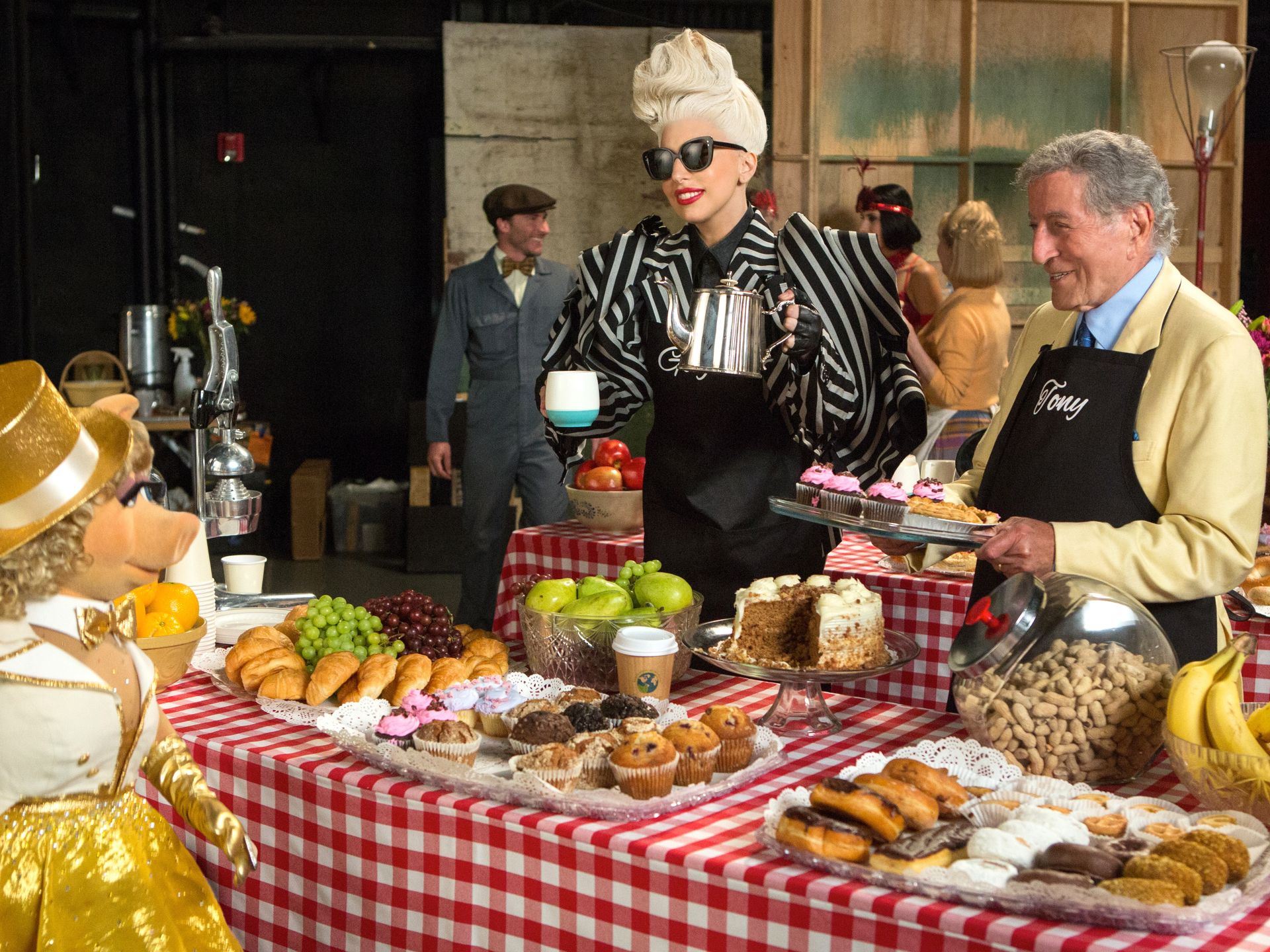
         Image result for lady gaga muppets most wanted   Related image
                         Related image

Tuesday, September 25, 2018

MUSIC VIDEO KEYWORDS


purpose

promotion - support or actively encourage (a cause, venture, etc.); further the progress of.

style

performance - an act of presenting a play, concert, or other form of entertainment.

narrative - an act of presenting a play, concert, or other form of entertainment.

thematic - having or relating to subjects or a particular subject / relating to or denoting the theme of a sentence.

representation

gender - the state of being male or female (typically used with reference to social and cultural differences rather than biological ones)

ethnicity -  the fact or state of belonging to a social group that has a common national or cultural tradition.

national identity - a sense of a nation as a cohesive whole, as represented by distinctive traditions, culture, and language.

moving image codes


Sunday, September 23, 2018

Gender Stereotypes


A stereotype is a widely accepted judgement or bias about a person or group — even though it’s overly simplified and not always accurate. Stereotypes about gender can cause unequal and unfair treatment because of a person’s gender. This is called sexism.
This can be seen in everyday things like social media, television, newspapers and adverts. The majority of them conform to the ideas and beliefs on gender roles and what they imply.
These views have recently started to be challenged and morphed into a better, more inclusive beliefs.


For example, this advertisement video from Aldi shows how stereotypes have lead to girls growing up believing they have to do everything themselves while boys are brought up with the belief that they do not have to help with housework, children or similar as a woman will always take care of it.
This is what i want to focus on today. Not the way stereotypes are affecting negatively our society and everyone in it, but the way we are finally starting to challenge these beliefs and creating a more equal and accepting environment for us and the future generations.
In the ad above, we can see how every action done by the woman is highlighted and put in contrast with the actions of the man. However, these are not unusual or surprising actions, but actually norms in our society. We can see how the narrator and father figure is shocked by these norms and decides to make a change. This is a message of hope, awareness and change. It goes to show how no matter what your age or gender is, no matter how you grew up and what you are used to, you can always change for the better. At the end we see him helping his old wife to do such a simple and mundane task such as the laundry, but it symbolises a much bigger change in the dynamic of the relationship.


Another example is Nike's Equality ad from 2017 which wants to “Encourage people to take the fairness and respect they see in sport and translate them off the field.” This advertisement video touches on more than just gender, talking about colour and religion as well. It encourages equality and tries to fight misconceptions and stereotypes of these groups.


We as a society have come a long way from stereotypical sexist displays such as the ad above, but we are still going. We are always improving and raising awareness and even though sometimes it might not feel like much, we have to take a step back and realise just how far we've come.